
Codes, Standards and Best Practices

The performance of a building envelope doesn’t depend solely on design intent—it’s also guided by codes, standards, and best practices developed over decades of research and field experience. These frameworks provide the rules and benchmarks that ensure buildings are safe, durable, and energy efficient, while also leaving room for innovation.
Building Envelope Openings & Penetrations
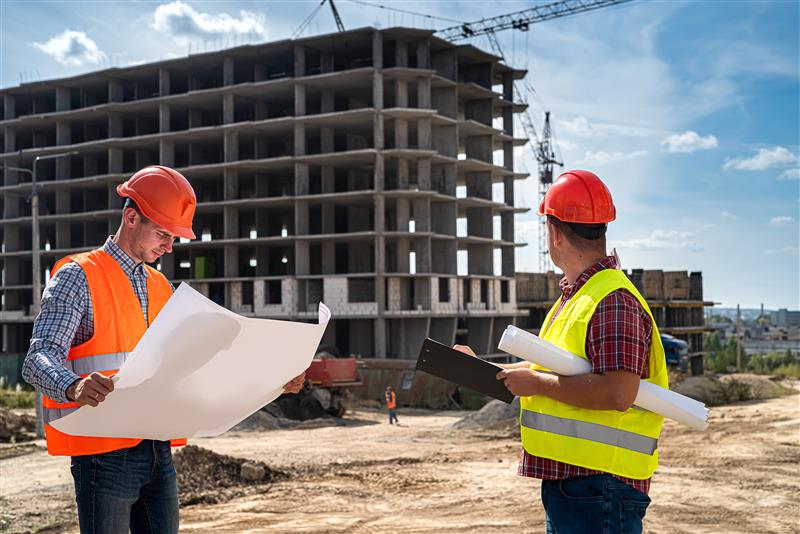
Every building requires openings—windows, doors, vents, pipes, and mechanical penetrations—to function. Yet, each of these interruptions in the building envelope introduces vulnerability. Poorly detailed or improperly sealed openings are among the most common sources of water intrusion, air leakage, and energy loss. By focusing on proper design and detailing, openings and penetrations can perform as intended without compromising the envelope’s integrity.
Wall Assemblies & Cladding

Wall assemblies form the vertical backbone of the building envelope, providing structural support, insulation, weather resistance, and architectural expression. Cladding, as the outermost layer, protects the building from environmental forces while defining its aesthetic. When designed and detailed correctly, wall assemblies and cladding work together to balance durability, performance, and beauty.
Roofing Systems and Transitions

The roof is a building’s first defense against the elements, but its performance relies heavily on how well different systems and materials connect at transitions. From parapet walls to penetrations and wall intersections, these details determine whether a roof remains watertight and durable—or becomes a source of leaks and maintenance headaches.
Foundation & Below Grade Protection

A strong foundation is more than just concrete and steel—it’s the base that protects an entire structure from soil pressure, groundwater, and environmental stresses. Because foundations are in constant contact with the earth, they face unique risks such as moisture intrusion, freeze-thaw damage, and long-term deterioration. Proper below-grade protection ensures both structural stability and occupant comfort.
Detailing Cladding Around Roof Edge Transitions
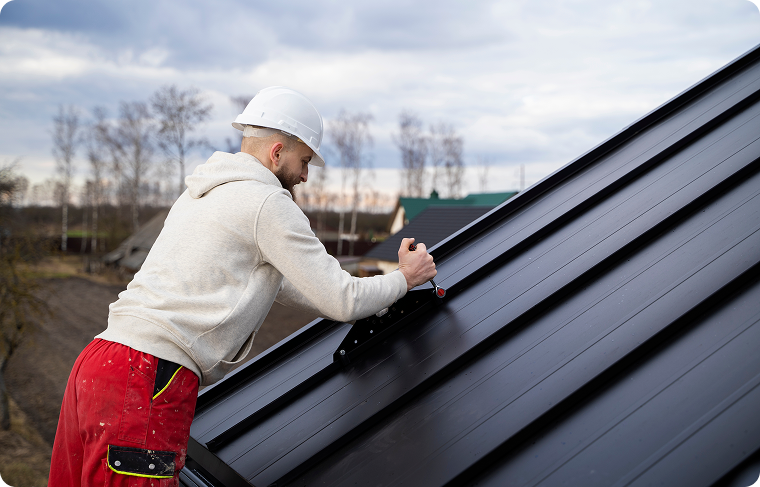
This article outlines the importance of continuous insulation, cladding support, and flashing strategies at roof-to-wall and parapet intersections to prevent failure at exposed building edges.